
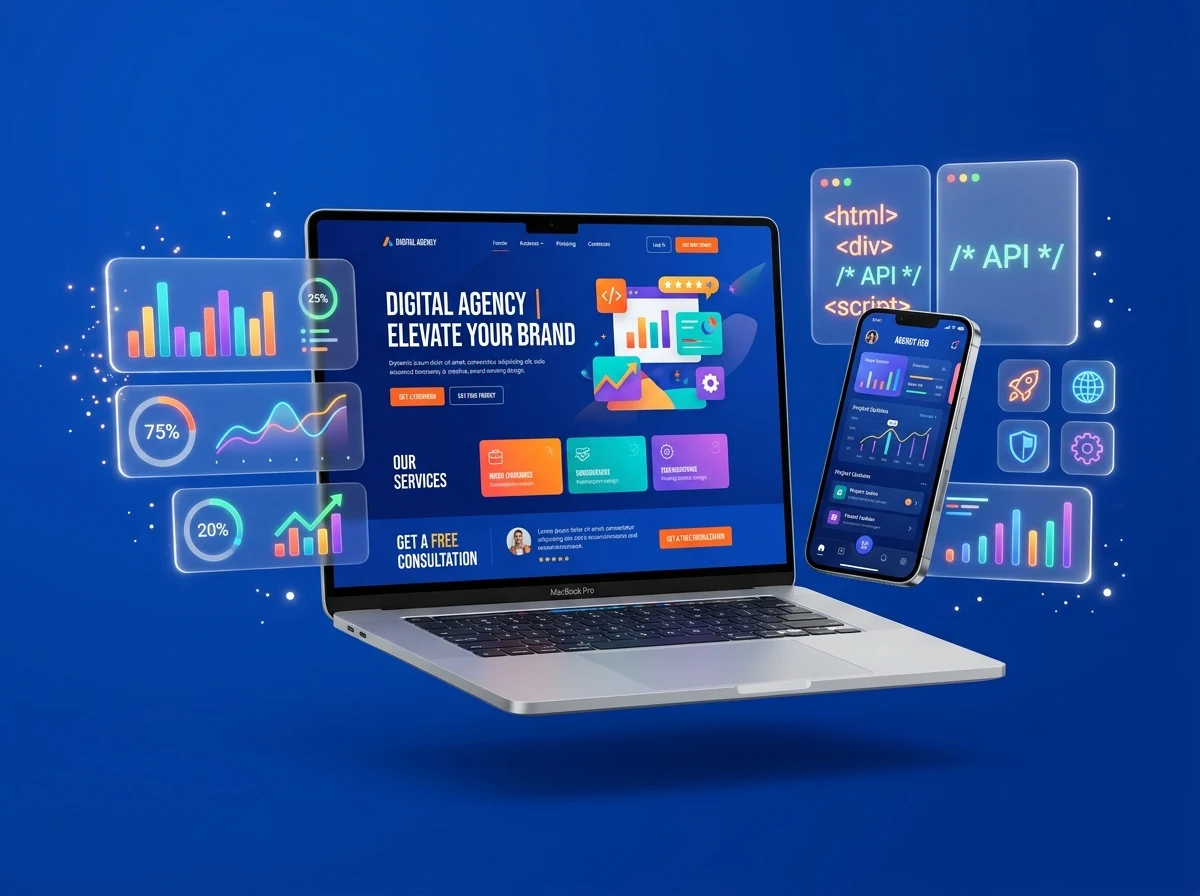
Frontend Architecture Decisions for Modern Web Apps
When building modern software applications, customer portals, or interactive web dashboards in South India, selecting the right frontend framework is critical. React (developed by Meta) and Angular (developed by Google) are two battle-tested titans of enterprise web engineering. While both are capable of delivering rich user experiences, they differ fundamentally in architecture, learning curves, and development philosophy.
1. React: Flexible Component Library & Fast Rendering
React is technically a lightweight JavaScript library focused on the UI layer. It leverages a Virtual DOM to minimize direct browser manipulation, resulting in fast re-renders and smooth client interactions. Because React is unopinionated, developers have total freedom to pair it with their preferred routing, state management (Redux, Zustand), and backend APIs.
2. Angular: Complete, Opinionated Enterprise Framework
Angular is a comprehensive, full-fledged framework that comes with everything included: routing, form validation, HTTP clients, and dependency injection out of the box. Enforced with strict TypeScript, Angular guarantees structural consistency across large engineering teams where dozens of developers collaborate on massive enterprise software codebases.
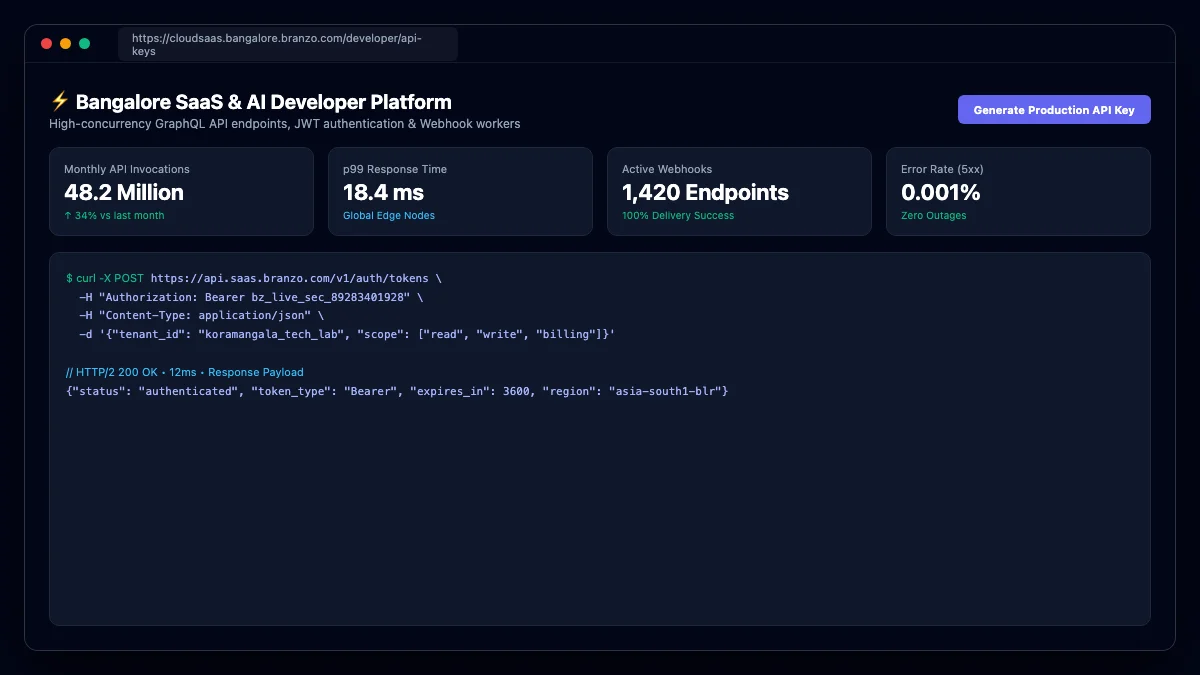
3. SEO, Performance & Bundle Sizes
Client-side rendering can present search engine indexing hurdles if not configured correctly:
- ✓ React with Next.js: Unlocks Server-Side Rendering (SSR) and Static Site Generation (SSG), delivering flawless Core Web Vitals and top SEO rankings.
- ✓ Angular SSR: Angular now offers modern hydration and server-side rendering, though setup and bundle optimization require advanced configuration.
- ✓ Community & Ecosystem: React boasts a vastly larger open-source ecosystem, making it easier to integrate UI component libraries like Tailwind, Radix, and Shadcn.
4. Conclusion & Engineering Advice
Both frameworks are exceptional when matched to the right operational requirements. At Branzo Techno Solution, our developers evaluate your user volume, team capabilities, and scaling requirements to architect the ideal frontend solution.

Founder and technical director at Branzo Techno Solution, Coimbatore. Directing custom web design, mobile app architecture, and enterprise software engineering across Tamil Nadu.

